First Outing Points for New Mobility Scooter Riders
A first trip on a mobility scooter is less about distance and more about confidence. The aim is to learn how the scooter starts, steers, slows and stops in a place that feels calm and familiar. A little preparation before leaving home can make the outing feel smoother, especially when the scooter is new and the controls are still unfamiliar.
Lightweight foldable electric mobility scooters are designed for portable everyday transportation and independent movement, so the first outing often happens close to home. That is a sensible choice. Short, predictable routes give a new rider time to get used to the steering tiller, the control panel and the feel of the braking system without the pressure of busy traffic or crowded pavements.
Before setting off, check the scooter in a steady, unhurried way. Treat this as a quiet routine rather than a technical task. If anything looks damaged, feels loose, makes an odd sound or behaves differently from usual, stop and seek advice from a qualified professional rather than trying to improvise a repair.
What to check before the first ride
- Battery level. Confirm that the battery has enough charge for the planned route and the return leg. A scooter with a low battery may still move at first, then slow or lose power later, which is inconvenient on even a short journey.
- Tyres and wheels. Look for obvious damage, low tread, trapped grit or anything wedged near the wheel. Check that the wheels sit securely and that the scooter rolls evenly when powered down.
- Steering tiller. Make sure the tiller is locked in position and moves freely when adjusted. A loose or awkward tiller can make steering feel unpredictable, particularly on turns or slopes.
- Seat support. Check that the seat is fitted correctly, feels stable and has not shifted. Good seat support helps the rider stay balanced while accelerating, turning and stopping.
- Controls and braking. Familiarise yourself with the control panel, speed control and braking response while stationary. The first movement should be gentle, with enough space ahead to stop without rush.
Charging is another point worth sorting out early. Find the charging point and understand how the charger connects before the battery becomes low. Do not open battery cases, handle exposed wiring or attempt repairs to electrical parts. If a connector is damaged, a charger is not working as expected or the battery will not hold charge, the safe response is to stop using that setup and get help from a qualified professional.
For many new riders, an easy scooter for local journeys is most useful when the route matches the scooter and the rider's confidence. A quiet street, an empty car park at a calm time or a wide path with few obstacles can be more useful than a route that simply looks short. Kerbs, gravel, steep driveways, wet paving and tight entrances all ask more of the rider and the machine.
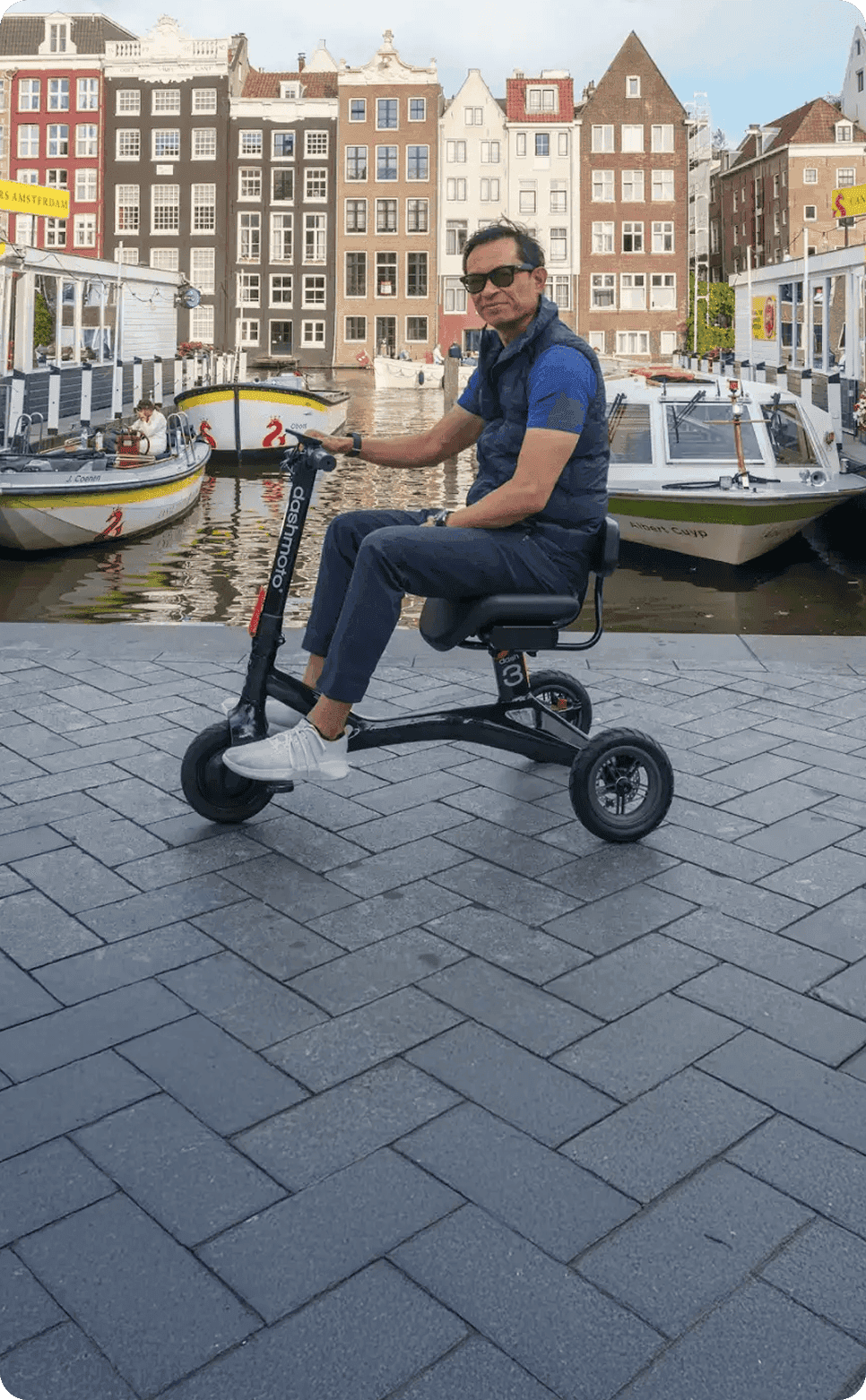
Choosing the setting for the first outing
The best first setting is predictable. Look for clear sightlines, room to turn and places to stop without blocking others. Avoid steep gradients, heavy traffic, narrow pavements and areas where doors swing into the route. If the outing includes a shop, think about the entrance, the floor surface and whether there is space to manoeuvre once inside.
Visibility matters more than many new riders expect. Low light, glare, rain and busy backgrounds can make it harder to judge distance and speed. Bright clothing or a simple marker on the scooter can help others notice the scooter, but it does not replace careful riding. Slowing down at junctions, driveways and pedestrian crossings leaves more time to react.
Weather can change the feel of an outing. Dry paving offers more predictable grip than wet or loose surfaces. Wind can push a lightweight scooter off line, especially on open paths. If conditions look unsettled, a shorter practice session near home is more useful than pushing on to a destination.
Getting comfortable with the controls
Spend a few moments seated before moving. Adjust the steering tiller so the hands rest naturally and the controls are easy to reach. Check that the feet have a stable place to rest and that nothing catches on the frame when turning. The control panel should be readable at a glance, not something that needs a long look while the scooter is moving.
Start slowly. A gentle press on the speed control is enough for the first few metres. Practice stopping in a straight line, then try a wide turn. Notice how the scooter responds when the control is released and how much room it needs to come to a stop. This helps build a feel for the machine before adding hills, crowds or uneven surfaces.
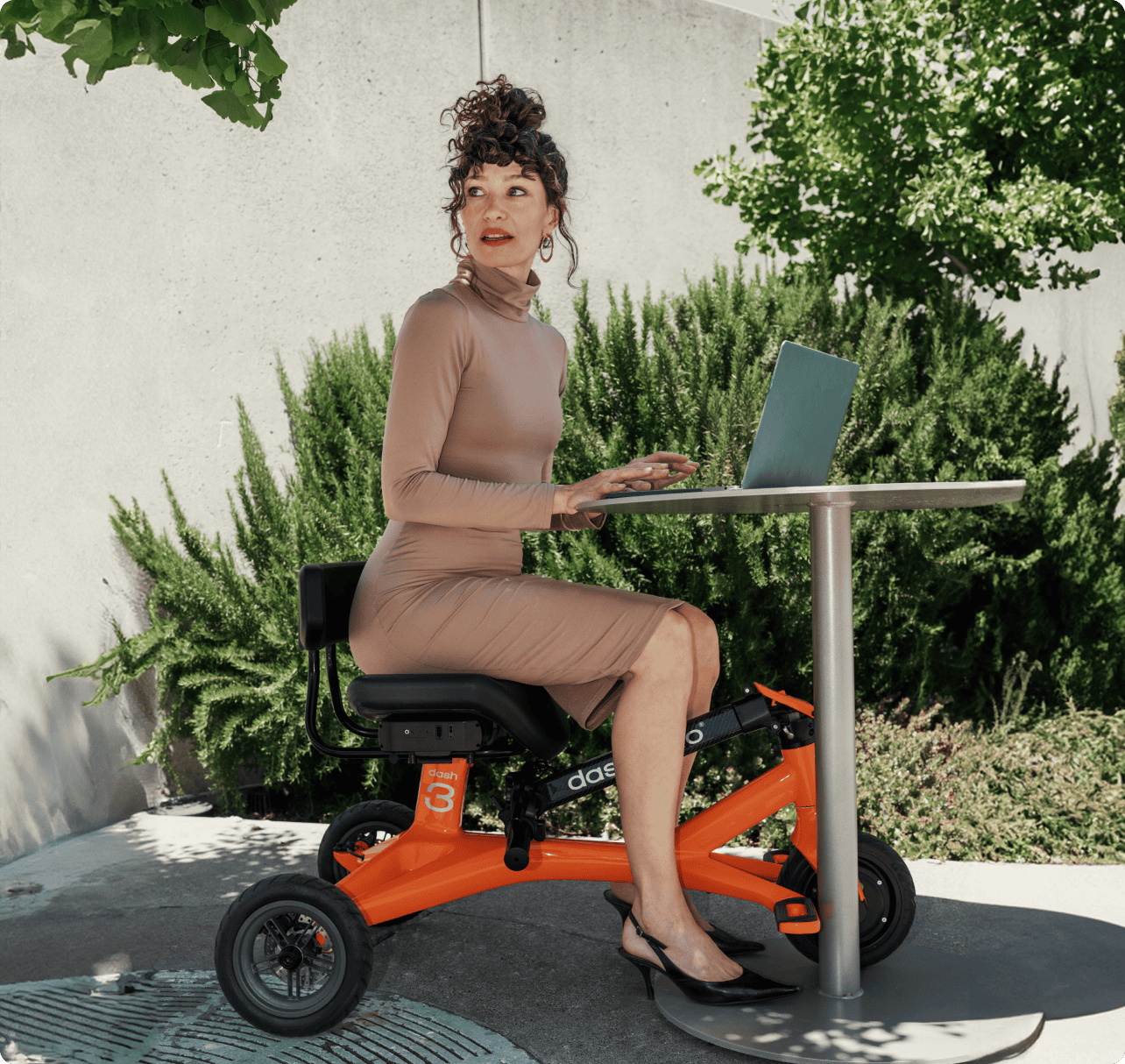
Turning takes a little thought on any scooter. Take corners wide where space allows, and avoid sharp turns at speed. On a slope, aim to travel straight up or down rather than across the fall line where possible. If a slope feels too steep, it is better to choose another route than to risk sliding, tipping or losing control.
Parking also deserves attention. Stop on level ground where possible, away from doorways, ramps and traffic. Keep the scooter fully clear of the path for others where space is tight. When folding or lifting a portable model, follow the maker's instructions and use the designed handles and latches. If the scooter is heavy to lift, do not force it alone. A ramp, helper or different storage arrangement may be safer.
Route planning for a calmer ride
Route planning does not need to be complicated. A quick look at the route can reveal kerbs, steep sections, busy roads, construction areas or narrow entrances. Choose paths with smooth surfaces and enough width for passing. Think about the return trip too, since a route that feels easy going out may feel different when fatigue sets in or the light changes.
An easy scooter for local journeys works best when the destination has a clear place to pause. Benches, wide hallways and open waiting areas can make a trip feel less rushed. If there is nowhere comfortable to stop, keep the first outing short. Confidence grows through repeated, manageable trips rather than one ambitious attempt.
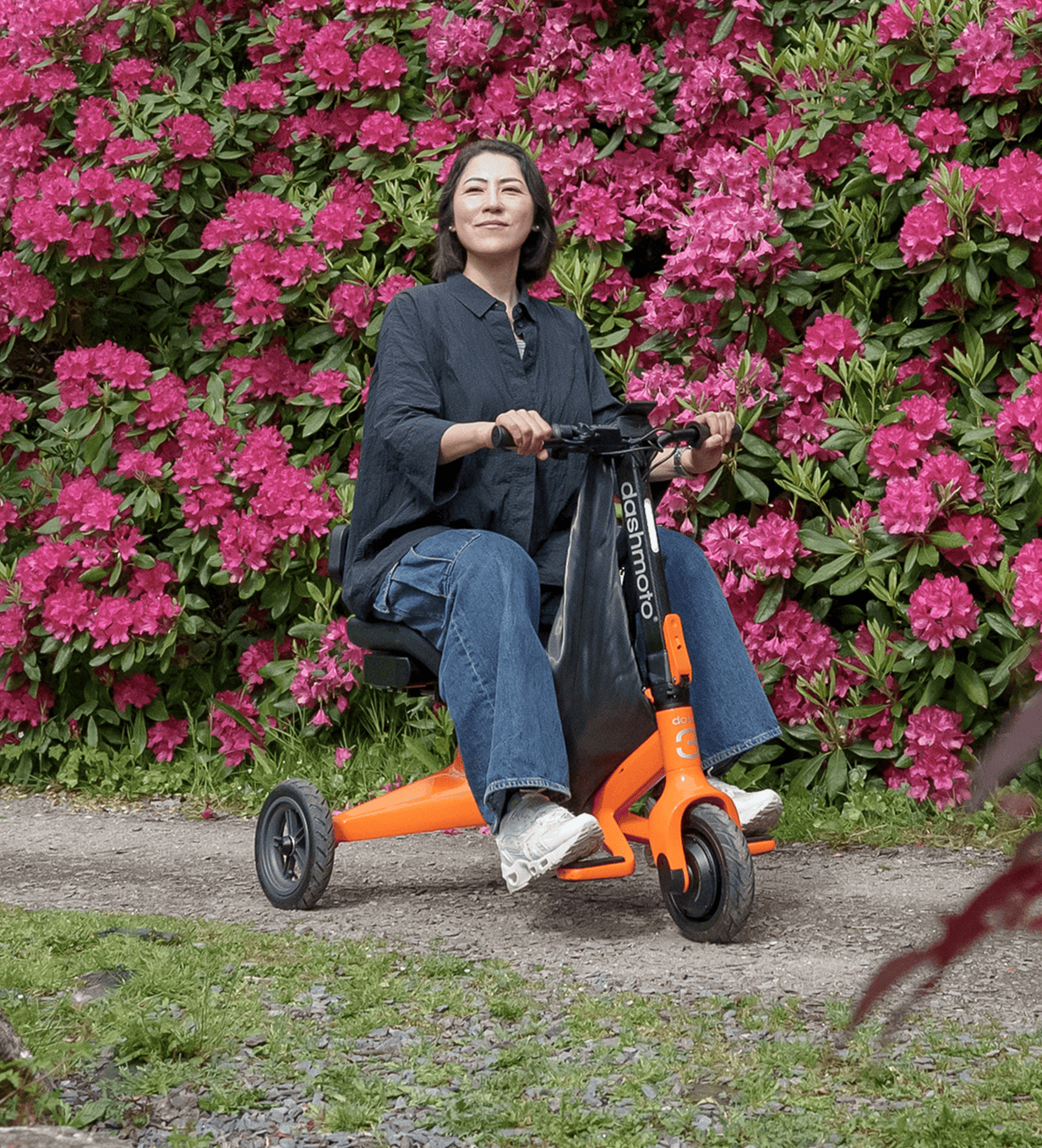
It also helps to carry only what is needed. A bag that swings from the tiller can interfere with steering, while a heavy load can affect balance. Keep personal items close to the body or stored as the scooter design allows. Loose scarves, straps and coat ties should be kept clear of wheels and controls.
When to stop and reassess
Stop the ride if the scooter pulls to one side, slows unexpectedly, makes a new noise, feels unstable or if the controls do not respond normally. These signs can point to a mechanical or electrical issue that needs proper assessment. Do not keep riding in the hope that the problem will disappear.
A first outing should end with the scooter in the same condition it started, and with the rider feeling clearer about what to practise next. A short, careful route, a stable seat, a secure steering tiller and a checked battery all help. Once the basic movements feel familiar, later trips can include new surfaces, longer distances and more varied destinations, one manageable step at a time.
Ends · INDEPENDENTROUTES